

A few nights ago, I watched F1: The Movie, the recent Brad Pitt film. I am not a Formula 1 expert, but I enjoy the theatre of it: the roar, the speed, the glamour, and the slightly mad belief that overtaking someone at 300 kmph is a reasonable professional choice.
What I found more interesting was the system around the driver. At that speed, the driver is not relying on instinct alone. He is processing information, reading risk, managing emotion and making split-second calls with tiny margins for error. Everything around him is designed to protect that capacity. The pit crew knows exactly what to do. The race engineer filters the noise. Instructions are short. Roles are clear. The driver’s brain is treated as mission-critical infrastructure.
That idea feels increasingly relevant for organisations. We spend a lot of time talking about talent, capability and performance. But we spend far less time asking whether the workplace is designed to help people think clearly, decide well, learn quickly and stay emotionally regulated under pressure.
For a while now, the conversation around brain health at work has been focused on providing mental health support. While crucial, this is only a part of the larger issue. What’s at stake isn’t just how employees feel, but also how they think, decide, learn and innovate.
Beyond wellness initiatives, brain health is an operating issue at the core of company performance. The cognitive capacity of employees shapes every business outcome we care about – and it’s high time we acknowledge this.
This week, let’s understand the role of brain health at the workplace. Why is it increasingly critical for organisations to succeed? And what steps can leaders take to protect and support the cognitive function of their teams?
Your company runs on brainpower
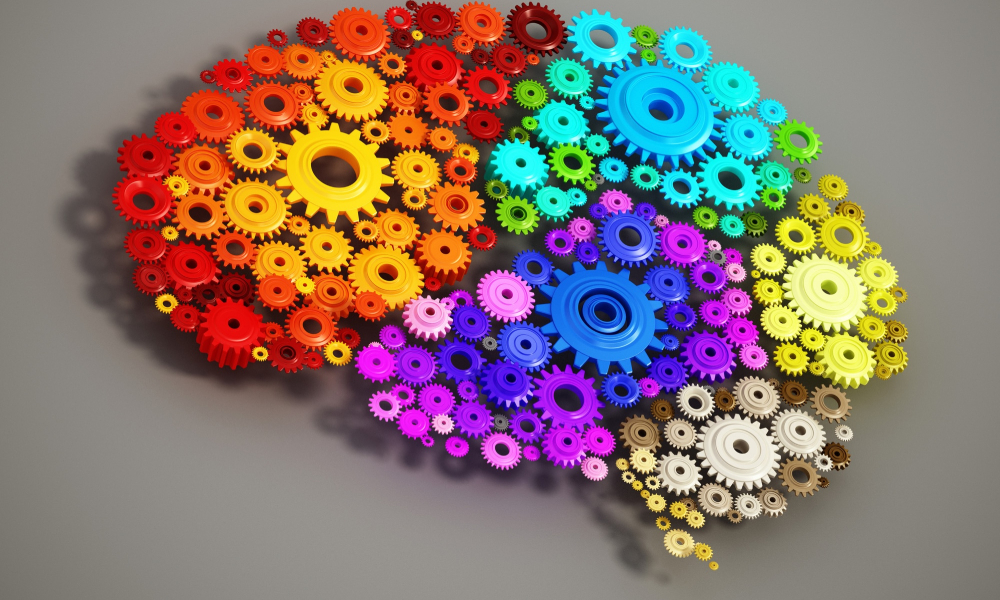
The human brain is a remarkable piece of biological engineering. It is capable of generating ideas, regulating emotions, navigating ambiguity and learning across a lifetime. Yet for all its sophistication, the brain is highly sensitive. What seems like background noise at work – interruptions, pressure, fatigue – can dramatically influence how effectively it operates.
The modern workplace puts incessant strain on the brain. Long periods of focus are rare, with many roles now involving a continuous flow of fragmented attention. Messages, meetings, tasks and notifications are layered on top of one another, with few or no breaks in between. Context-switching has become the default mode of operation – and every switch carries a cognitive penalty, reducing depth of thought and increasing the likelihood of error.
Over time, this pattern accumulates into chronic cognitive load, compounded by stress, poor sleep and lack of recovery – all conditions that have become routine in modern life.
At the same time, the nature of work has become more cognitively demanding. There is an assumption that AI will ease the burden on human thinking. But research points the other way. As routine tasks are automated, the value shifts to distinctly human capabilities such as navigating ambiguity, solving complex problems, fostering relationships and exercising judgment.
Recent reports from the World Economic Forum highlight that the job skills gaining importance – analytical thinking, creativity, learning agility, emotional intelligence – are all highly dependent on a healthy, well-functioning brain. If organisations want better outcomes from AI adoption, they will need people who can question outputs, interpret nuance and adapt quickly. None of which can happen in a cognitively depleted workforce.
There is also an economic dimension to brain health. According to global think tanks, we are now living in the ‘brain economy’, where growth and stability are shaped by our collective brainpower. Emerging research on ‘brain capital’ positions cognitive health as a form of economic value, linked to broader productivity and innovation gains.
The workplace was not designed for deep thinking
The erosion of brain health is a byproduct of how work is structured and managed:
- Always-on communication. Real-time responsiveness is framed as efficiency, but in practice it fragments cognitive capacity. Monitoring multiple channels continuously reduces the ability to focus deeply and undermines the quality of thinking itself.
- No time for recovery. The brain requires cycles of effort and rest to function well. Yet many workplaces treat unflagging output as the goal, rather than carving out space for restoration. The result is cognitive fatigue that multiplies over days, weeks and months.
- Workload design. When priorities are unclear or constantly shifting, the brain expends energy on reorientation rather than execution. Similarly, excessive meetings consume precious cognitive bandwidth without creating proportional value.
- Weak social dynamics. Research shows that meaningful human connection is vital for cognitive resilience. Sadly, punishing workloads, digital communication and a transactional mindset have reduced the quality of social interactions at work.
- Culture of urgency. Many organisations frame every single task as time-critical, whether it is or not. This artificial pressure traps the brain in a constant state of stimulation and stress, impairing its ability to think and decide clearly.
- Missing metric. Finally, cognitive health simply isn’t on the radar for most companies. If at all they focus on it, it is framed as an individual concern, centred around mental wellness. The idea of brain capital is absent from strategic and policy discussions.
Build the conditions for clear thinking
As an operating priority, brain health needs to be built into how work happens. Here are seven shifts for leaders to consider:
1. Reset rules for responsiveness.
Set explicit expectations around response times and communication channels. Not every message requires immediate attention. Leaders can define tiers of urgency and protect blocks of uninterrupted work time. Structuring communication more intelligently allows for deeper focus and higher-quality thinking.
2. Embed recovery into work rhythms.
Regardless of motivation or intent, the human brain simply cannot function optimally without rest and recovery. Build sustainable capacity by encouraging short breaks during the workday – such as stepping away from the screen for lunch or taking a walk. Relook at workload pacing and meeting flows, ensuring buffers to ease cognitive fatigue.
3. Treat sleep as a performance variable.
Sleep is often discussed in personal health terms, but its impact on decision-making and learning is direct. Leaders can influence this by discouraging norms that reward late-night work or constant availability across time zones. Reassess travel schedules, deadlines and communication patterns with cognitive performance in mind, not just convenience.
4. Reduce cognitive clutter in workflows.
Simplify tools, processes and reporting requirements where possible. Each additional layer of complexity consumes mental energy. Audit for duplication or unnecessary steps, freeing up the brain’s capacity for higher-value thinking.
5. Encourage thought diversity and challenge.
The brain strengthens through use, particularly when exposed to new ideas. Foster environments where employees are genuinely invited to question, learn and colour outside the lines. This aligns with evidence that novelty supports the formation of new neural connections. It also improves organisational adaptability.
6. Reframe human connection as a cognitive asset.
Healthy social dynamics support mental resilience and function. Instead of viewing informal interaction as a distraction, recognise its role in sustaining performance. Create opportunities for meaningful connection rather than purely transactional exchanges. This is even more important in hybrid or distributed teams.
7. Lead by example.
Leadership quality is closely tied to cognitive capacity. How effectively do you manage stress and regulate your responses? Do you make time to rest and recharge? Have you set clear boundaries around your availability? The answers will not only surface the cognitive gaps in your routine but also reveal what signals you’re sending your team. When leaders visibly place a premium on their brain health, it gives others permission to do the same.
The way work is structured today asks much of the brain – while simultaneously undermining its capacity to meet these demands. As we move deeper into the brain economy, leaders must recognise cognitive health for what it is: the engine that drives business performance.
Reframing brain health as an operating issue moves the conversation from individual responsibility to organisational design. Companies that lead this shift will not only have healthier employees; they will have sharper thinking, better decisions and a more durable form of productivity.




Comments